
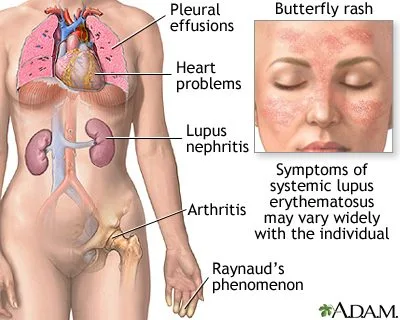
Systemic Lupus Erythematosus is a chronic autoimmune condition in which the immune system attacks multiple organs and tissues, including the skin, joints, kidneys, and brain. Symptoms vary widely but commonly include fatigue, joint pain, skin rashes (especially a butterfly-shaped rash on the face), and fever.
The disease can range from mild to severe, with periods of flare-ups and remission. In serious cases, it may lead to kidney damage (lupus nephritis) or complications affecting the nervous system.
The exact cause is unknown, but a combination of genetic, hormonal, and environmental factors is believed to contribute. While there is no cure, treatments such as immunosuppressive drugs and anti-inflammatory medications help manage symptoms and reduce disease activity.
EN
▧ 1 media
Systemic Lupus Erythematosus (Lupus)
 Published byVishnooGuruG
Updated6 months ago
Images
No comments yet. Start the discussion.