
Marie Curie, a pioneering scientist in the study of radioactivity, is believed to have died due to prolonged exposure to the very elements she helped discover. Her work with radioactive materials such as radium and polonium laid the foundation for modern nuclear science.
At the time, the dangers of radiation were not fully understood, and Curie often handled these substances without protective equipment. She even carried radioactive samples in her pockets and stored them in her workspace.
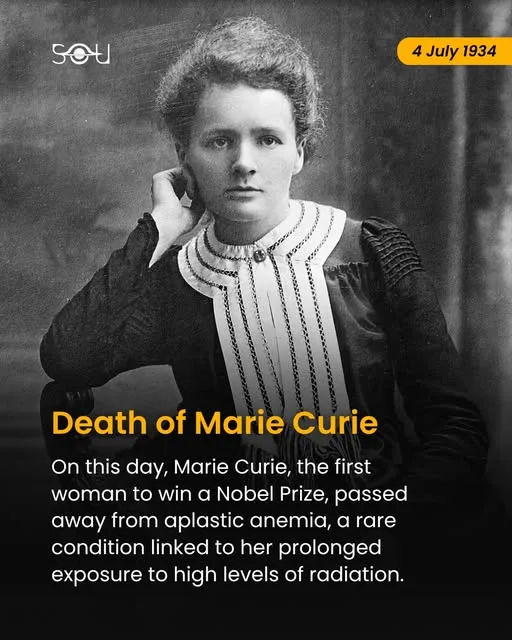
In 1934, she died from aplastic anemia, a condition widely linked to long-term radiation exposure. Her case remains one of the most notable examples of an inventor or scientist being fatally affected by their own groundbreaking work.
EN
▧ 1 media
Marie Curie (1934) — Fatal Exposure to Radiation
 Published byVishnooGuruG
Updated6 months ago
Images
No comments yet. Start the discussion.